
IMARCS Foundation

Current Research

The International Marine Science and Carbon Sequestration (IMARCS) Foundation is expanding research into practices that harness the power of nature for positive environmental outcomes.

IMARCS research imagery

This includes:

  • Studying giant clams (Tridacnidae) as natural microplastic filters, as stock grown out to reseed reefs, and as potential carbon sinks through altered water chemistry
  • Testing whether heat-tolerant zooxanthellae from giant clams can help bleached corals recover
  • Studying the effects of mangrove conservation on carbon sequestration and biodiversity preservation or enhancement
  • Breeding clownfish for community education and an ongoing genomic study, while reducing pressure on wild collection
  • Working to settle and rear the carpet anemone Stichodactyla haddoni from a captive spawn, which to our knowledge has not yet been documented

We integrate marine ecology, molecular genetics, and biogeochemistry, drawing on the work of leading scientists and collaborators across the globe. Our research programs are built to answer open questions: whether bleached corals can be helped to recover, how degraded reefs can be restocked, and whether giant clams and mangroves can serve as nature-based carbon sinks.

Our ongoing projects

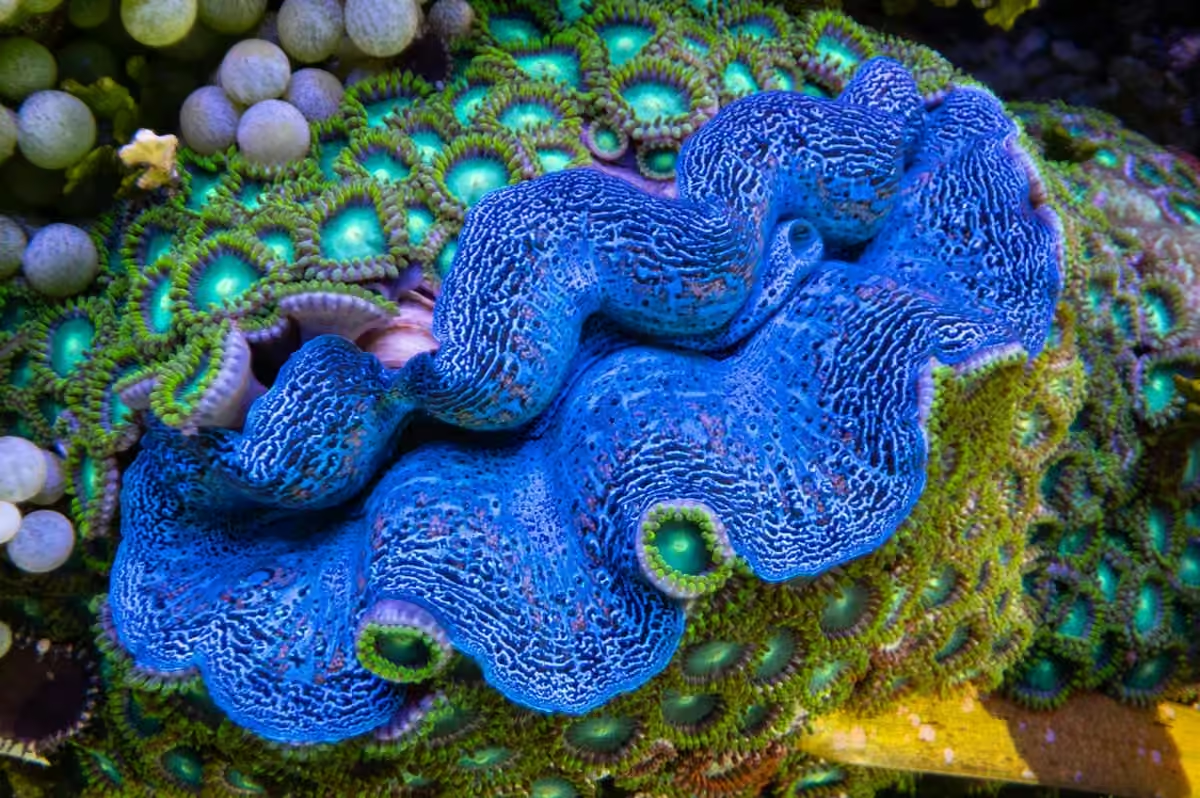
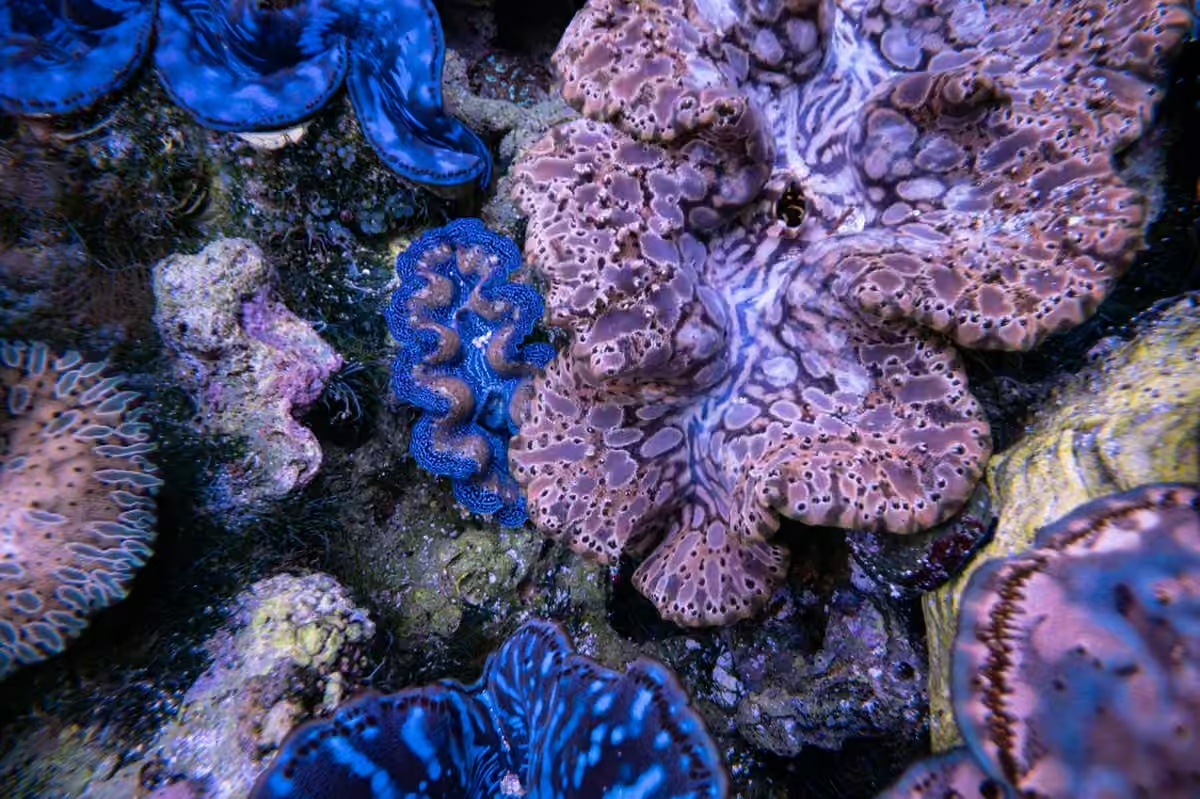
Giant clams in an IMARCS aquarium

Coral Bleaching Restoration in Micronesia

Coral bleaching, caused by the loss of photosynthetic zooxanthellae under thermal stress, has escalated in frequency and severity over the last four decades. The IMARCS team is testing samples collected in Micronesia, utilizing our University of Barcelona lab, whether zooxanthellae sourced from giant clams can accelerate recovery of bleached corals. Our goal is to determine whether clam-derived zooxanthellae can improve thermal tolerance of corals and potentially reverse coral bleaching, paving the way for scalable mass-bleaching recovery.
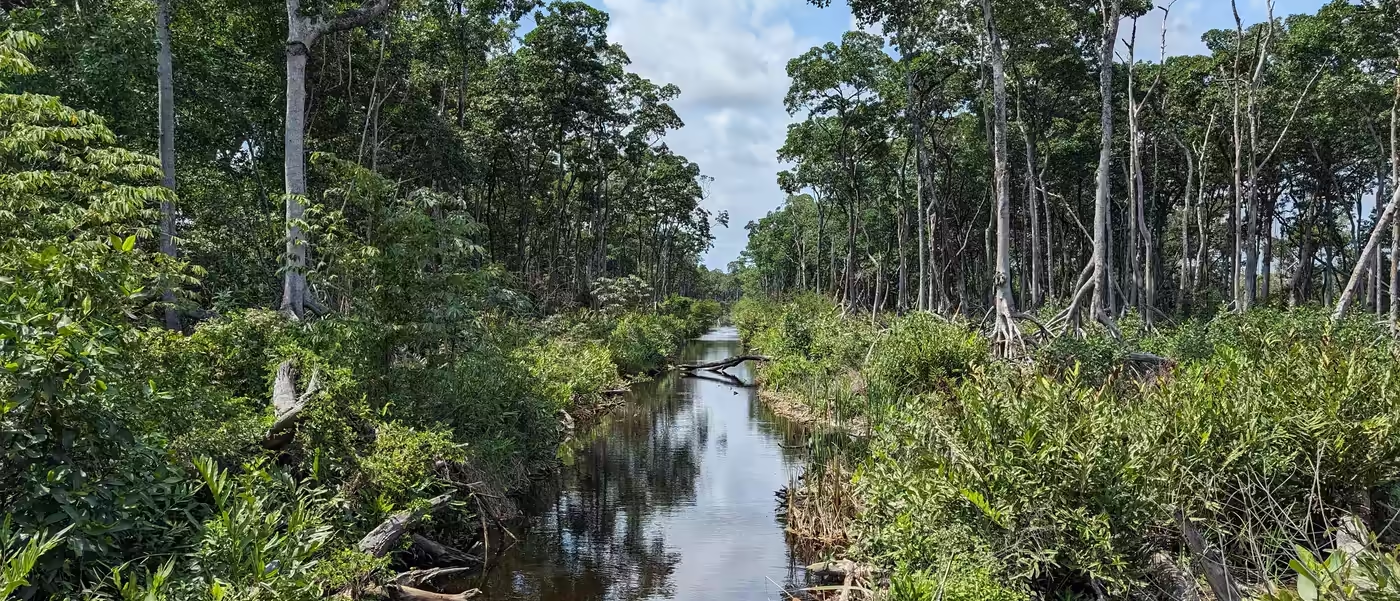
Mangrove conservation site

Mangrove Conservation in Belize

Mangroves sequester at least 5x more carbon than tropical forests, which themselves sequester significantly more than temperate forests or other land-based biomes. Mangrove ecosystems are also hotspots for biodiversity and are key enablers of coral reef health, with many reef species using mangrove root systems as nurseries. We are evaluating ongoing mangrove conservation activities in Belize with specific attention to carbon sequestration potential and biodiversity impacts of these activities.

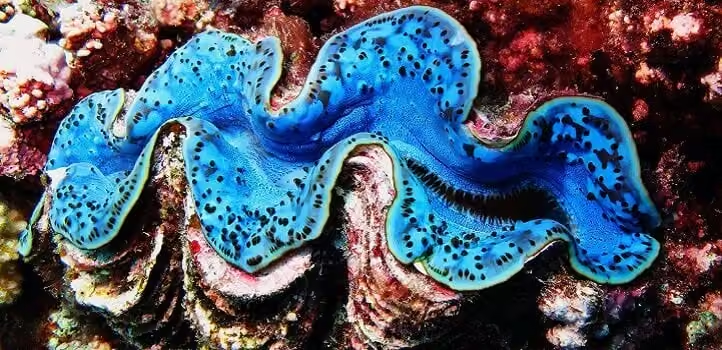
Giant clam in mariculture

Giant Clams for Reefs: Microplastic Filtration, Reef Reseeding, and Carbon Sequestration in Japan

Under natural conditions, giant clams' shell formation is roughly carbon-neutral, because CO₂ released during calcification offsets carbon uptake. Our third and perhaps most ambitious project tests whether raising seawater pH to levels typical of reef flats (≥ 8.5) can tip this balance, transforming clams into true carbon sinks.

We are also exploring giant clams as natural filters for microplastics, and growing clams out in our mariculture tanks to reseed them onto reefs.

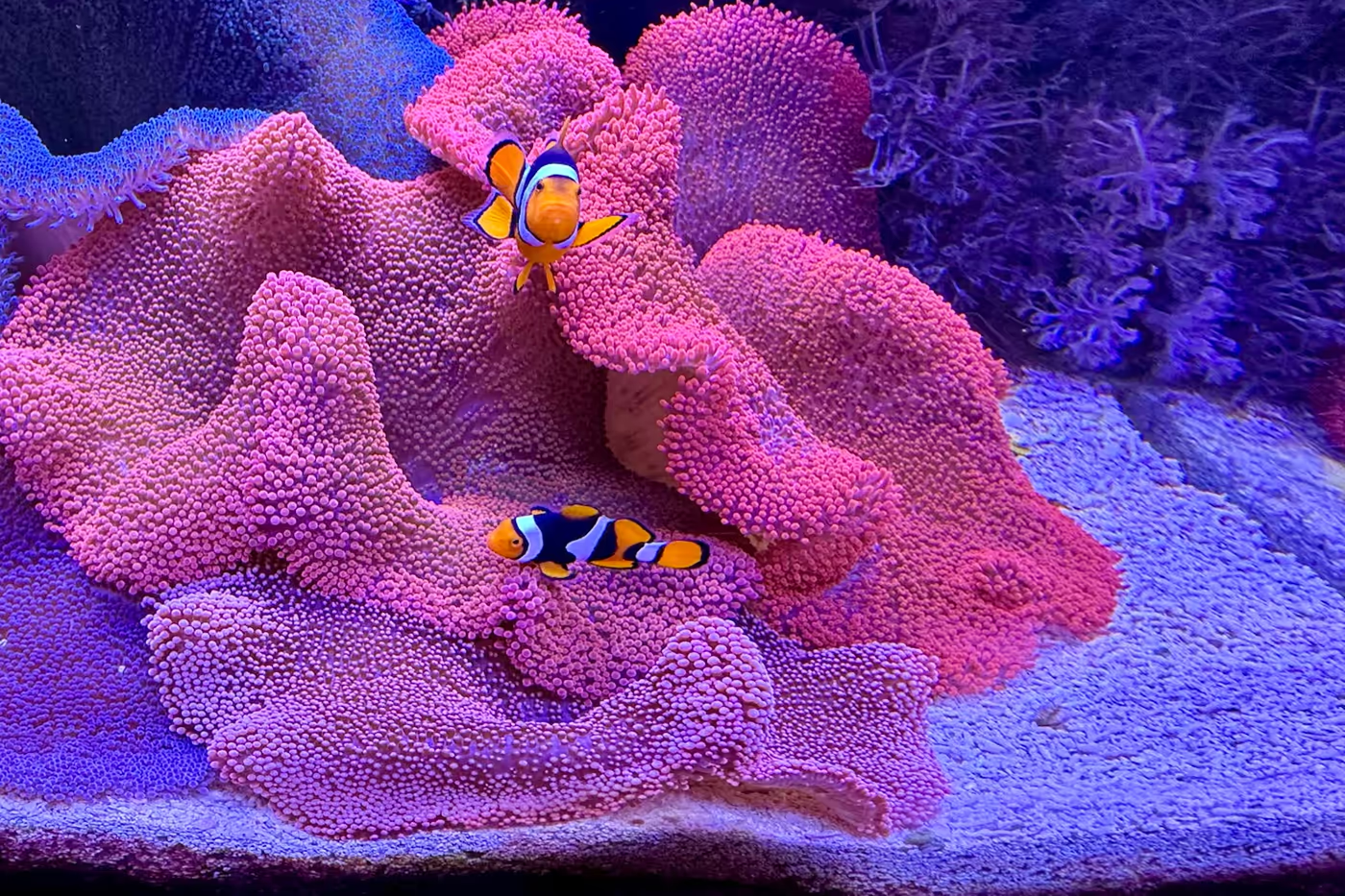
A clownfish pair in a carpet anemone at the IMARCS facility

Clownfish Breeding in Japan

We breed clownfish at our facility in Japan for two purposes. The first is community education: our breeding pairs anchor school visits and our classroom curriculum, giving students a living example of captive breeding and responsible stewardship. The second is an ongoing genomic study of our breeding pairs and their offspring, with no fixed endpoint. Every pair we breed also takes pressure off wild collection.

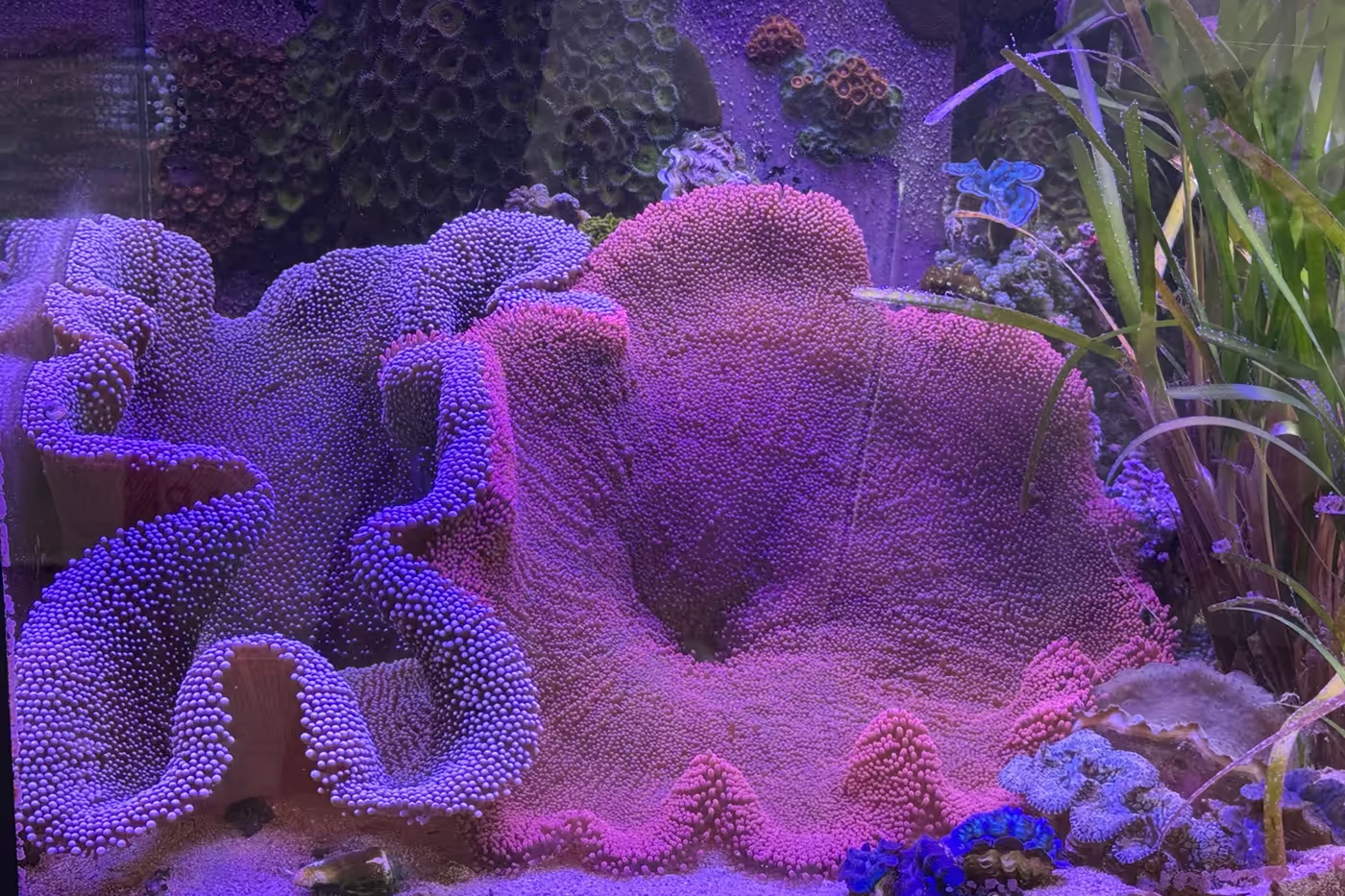
Carpet anemones, Stichodactyla haddoni, at the IMARCS facility

Captive Breeding of the Carpet Anemone Stichodactyla haddoni

Nearly every S. haddoni in the aquarium trade is collected from the wild. We have succeeded in spawning S. haddoni in captivity, and we are now working on settling the larvae and rearing them to juveniles, something that to our knowledge has not yet been documented. Success means settling and rearing S. haddoni from a captive spawn, which would give the trade a captive-bred alternative to wild collection.

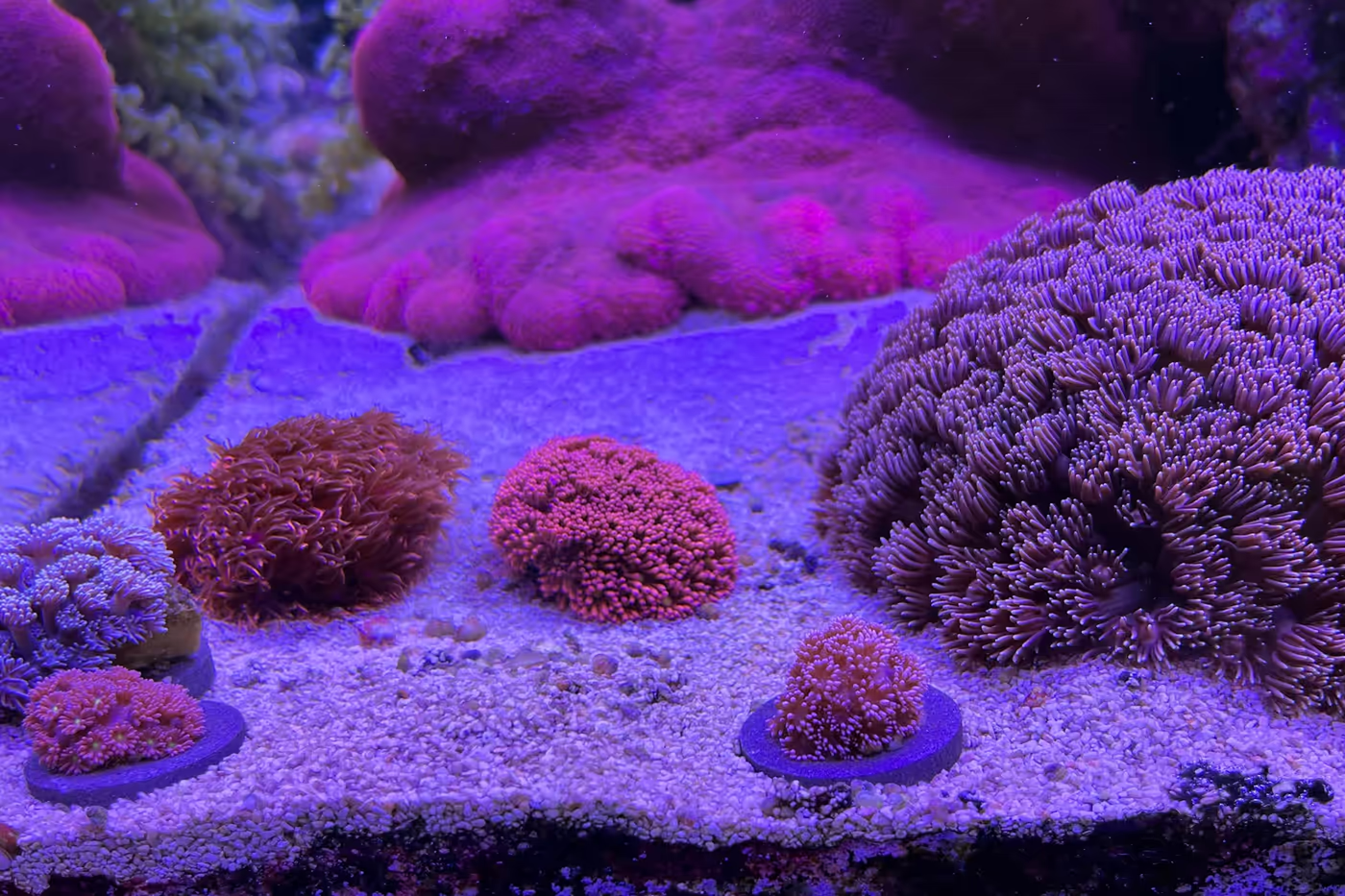
Flowerpot coral colonies and fragments growing at the IMARCS facility

Rearing Flowerpot Coral in Japan

Flowerpot corals (Goniopora) are among the most heavily traded corals in the aquarium trade, and most are collected from the wild. Trade records kept under CITES, the international convention on trade in endangered species, show that a single species, Goniopora columna, made up a trade volume of about 7.2 million, 18 percent of the total coral trade, between 2010 and 2020.

They are also notoriously difficult to keep. For decades, reef keepers treated Goniopora as close to impossible in captivity: wild-collected colonies often looked healthy for months before declining and dying. For at least one species, the aquarium trade is considered a possible reason it is under threat.

We rear Goniopora at our facility in Japan for conservation and potential medical research. Healthy colonies grown and propagated in captivity could give the trade an alternative to wild collection and ease the pressure on wild reefs.

Bridging Science and Practice

Beyond these core studies, IMARCS collaborates with clam farmers in Micronesia and aquaculture institutes in Japan to translate findings into practical restoration and policy tools. Potential applications include:

  • Symbiont-Augmentation Protocols: Studying whether cross-kingdom symbiont transfer works, and whether heat-tolerant clam zooxanthellae could be mass-cultured for reef nurseries.
  • Blue-Carbon Offsets: If elevated-pH clam farms prove to be net carbon sinks, certification frameworks could follow; we are also studying the blue carbon potential of mangroves.
  • Reef Reseeding: Growing out giant clams in mariculture tanks to restock reefs where wild populations have declined.
Giant clams in an IMARCS aquarium

Our approach is multidisciplinary and hands-on: active, evidence-based intervention rather than passive protection. We share results as they mature, and we welcome researchers, practitioners, and partners who want to collaborate.