

The Power of Phytoplankton: Unseen Heroes of the Sea and Your Aquarium
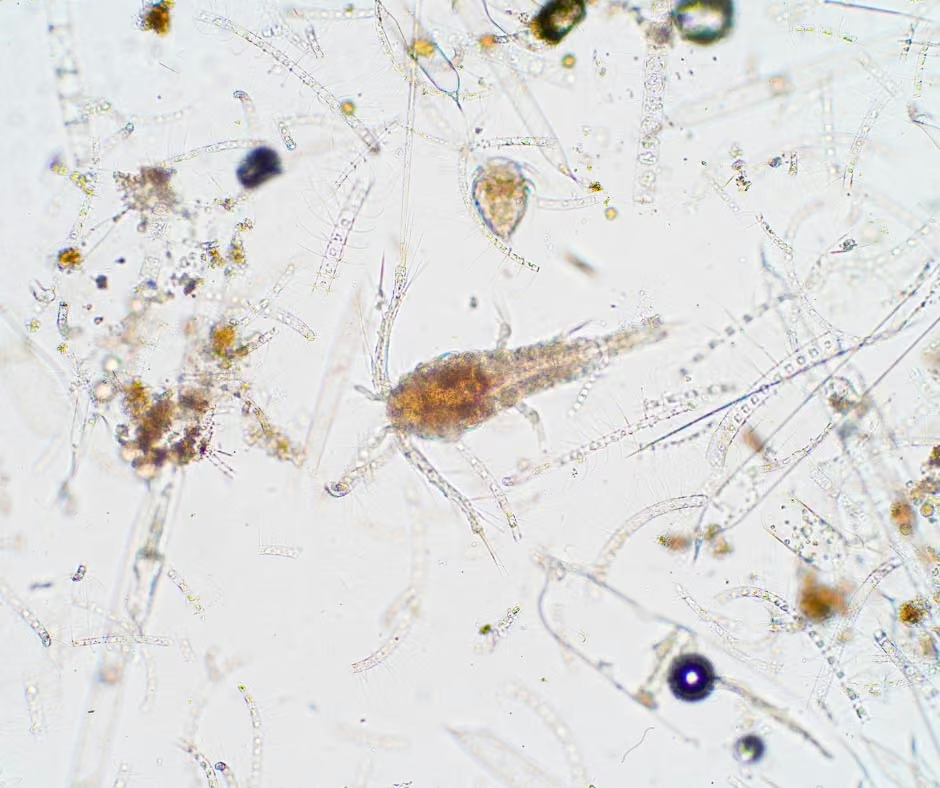
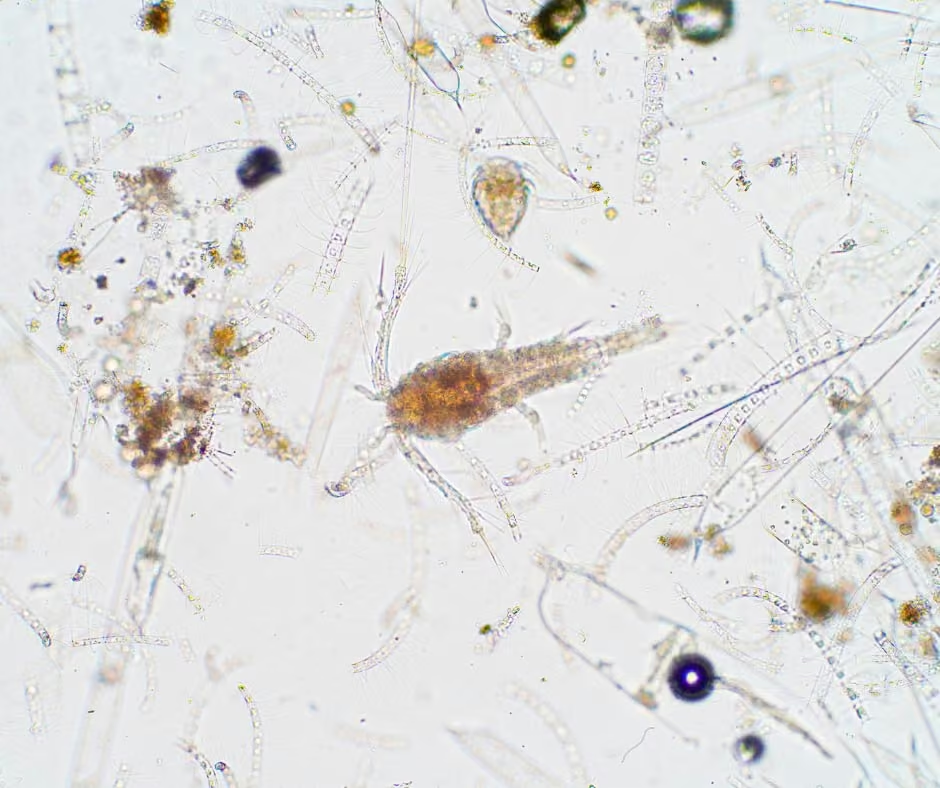
In reef aquaria, there is a looming question of phytoplankton's role in stony coral nutrition. While some studies suggest that specific stony corals can clear phytoplankton from the water, it's unclear to what extent they contribute to their nutrition as there has not been enough research on this. Most stony corals are better adapted to capture zooplankton prey, with phytoplankton potentially playing a minimal role in their energy needs.
As a reef hobbyist, one might question how much phytoplankton to introduce to an aquarium. The answer, however, is not straightforward, as it depends on a multitude of factors. These include the types, sizes, and quantities of potential phytoplankton consumers within a given aquarium and the differences in biomass between a tank and the same volume of ocean water in a reef environment.
While the use of phytoplankton in aquariums is often a topic of discussion, several considerations apply. Aquarium algae blooms are quite natural, following seasonal patterns similar to their wild counterparts. These blooms are largely made up of diatoms, dinoflagellates, and cyanobacteria, which, although not traditionally deemed desirable, play an essential role in aquarium ecosystems, just as they do in the wild. Caution is advised, however, since some species produce toxins that could harm tank inhabitants. If you want to optimally benefit the largest number of potential tank inhabitants that consume phytoplankton, it is recommended to allow similar ratios of various size classes as found in the wild.
While there is much more to say about the capacities of phytoplankton, what is most important to consider is the impact of phytoplankton both within and beyond our tanks. Seeing how they work within the world of an aquarium serves as a reminder of our role in preserving and understanding intricate marine ecosystems. Good aquariums are microcosms of the ocean, a testament to its beauty and resilience.
Whether you're a beginner or a seasoned veteran in aquarium keeping, your actions can contribute to the wider cause of marine conservation. We invite you to get to know IMARCS and join us in our mission to pioneer innovative mariculture solutions to conserve and restore marine ecosystems.
References:Borneman, E. (n.d). The Food of Reefs, Part 3: Phytoplankton by Eric Borneman - Reefkeeping.com. (n.d.). Retrieved from http://reefkeeping.com/issues/2002-10/eb/index.php
Kault, Jacob, & Detournay. (2022, February 21). Carbon Balance In Corals. Coral Guardian. Retrieved July 8, 2023, from https://www.coralguardian.org/en/carbon-balance-in-corals/#:~:text=To%20sum%20up%2C%20according%20to,3%20accumulation%20in%20their%20skeleton.